
- Domain
- |
- WordPress
How to Choose a Domain Name for Your Website (Beginner Guide)
By Ehasanul Haque
Posted on September 16, 2026
Picking a name for your website?
It feels like the fun part. It’s also the one part of a website you can’t change later without paying for it in traffic, links, and printed business cards.
Here’s the good news: choosing well isn’t about being clever. A domain name has to survive three things: being said aloud once, being typed into a search box, and being defended against whoever got there first.
Short and memorable are fine advice. They’re just not the test.
This guide shows you how to choose a domain name that passes all three, how to check it’s actually available, and what to do when the .com is taken. Plain and simple.
One note before you start. Everything below assumes you’re building something you intend to keep. If it’s a weekend project, pick anything available and move on. If it’s a business, read the whole thing.
Let’s dive in.
Key Takeaways
- Run three tests, not one: the radio test (say it aloud), the search test (type it), and the defend test (trademark and existing brands).
- Buy the .com. If it’s taken, that’s information about the name, not a reason to settle for the .net.
- Keywords in the domain don’t rank you. Google stopped rewarding that in 2012. Pick the name for the brand, not the search engine.
- Check availability everywhere in one sitting: domain, trademark, social handles. Ten minutes now, or a rename later.
Why the Name Matters More Than the Logo
A domain name is the address people type, say, and remember to reach your site, and unlike almost everything else about a website, it’s expensive to change once it’s in use.
Swap your theme and nobody notices. Swap your domain and every link pointing at you, every business card, every “just google us” conversation, and whatever search ranking you’d earned all have to be rebuilt.
There were 392.5 million domain names registered worldwide at the end of the first quarter of 2026, and 176.1 million of those were .com and .net (Verisign’s Domain Name Industry Brief, Q1 2026).
The good short names went a long time ago. That’s the constraint you’re working inside, and it’s why the tests below matter more than brainstorming.
Test One: Say It Aloud (The Radio Test)
Say the name to someone who hasn’t seen it written. Then ask them to type it.
If they ask “how do you spell that?”, the name has a problem. If they type a hyphen you didn’t put there, add an “s” you don’t have, or hear “for” when you meant “4”, the name has a problem.
A domain fails the radio test when the spoken version and the typed version don’t match without explanation. The test is brutal because you can’t be there to explain every time.
Practical rules that fall out of it:
- No hyphens. Nobody says “dash” and nobody remembers to type it.
- No numbers, unless the number is the brand (and even then, “four” or “4”?).
- No deliberate misspellings unless you’re prepared to say “with a K” for the rest of your life.
- Shorter beats clever. Two words is fine. Three is pushing it. One coined word is best if you can find one.
Test Two: Type It Into Search (The Search Test)
Now type the name into Google and see what’s already there.
If the first page is a company doing something like what you do, you’ve lost before you’ve started. Even if the domain is available, every search for your name sends people to them. You’d be spending your marketing budget teaching people a name that points somewhere else.
This is also where beginners get the wrong idea about keywords.
Ten years ago the advice was to put your keyword in the domain: bestcheaphosting.com, chicagoplumber.net. Google’s Exact Match Domain update in September 2012 specifically reduced the ranking benefit of keyword-stuffed domains, and it’s only gone further in that direction since.
A domain with your keyword in it doesn’t rank you today. Content does.
So the search test isn’t “does my keyword appear in the name.” It’s “when someone searches this name, do they find me or someone else?”
Test Three: Can You Defend It? (The Trademark Test)
This is the test most people skip, and it’s the expensive one.
Onylogy renamed two products in 2026 because of it: a plugin called AltPilot, after a trademark search turned up a conflict, and a plugin called Onylogy Squeeze, after the WordPress.org review team said it sat too close to existing “Squeeze” image plugins. Neither name was bad. Both were unusable, and we found out after the work was done.
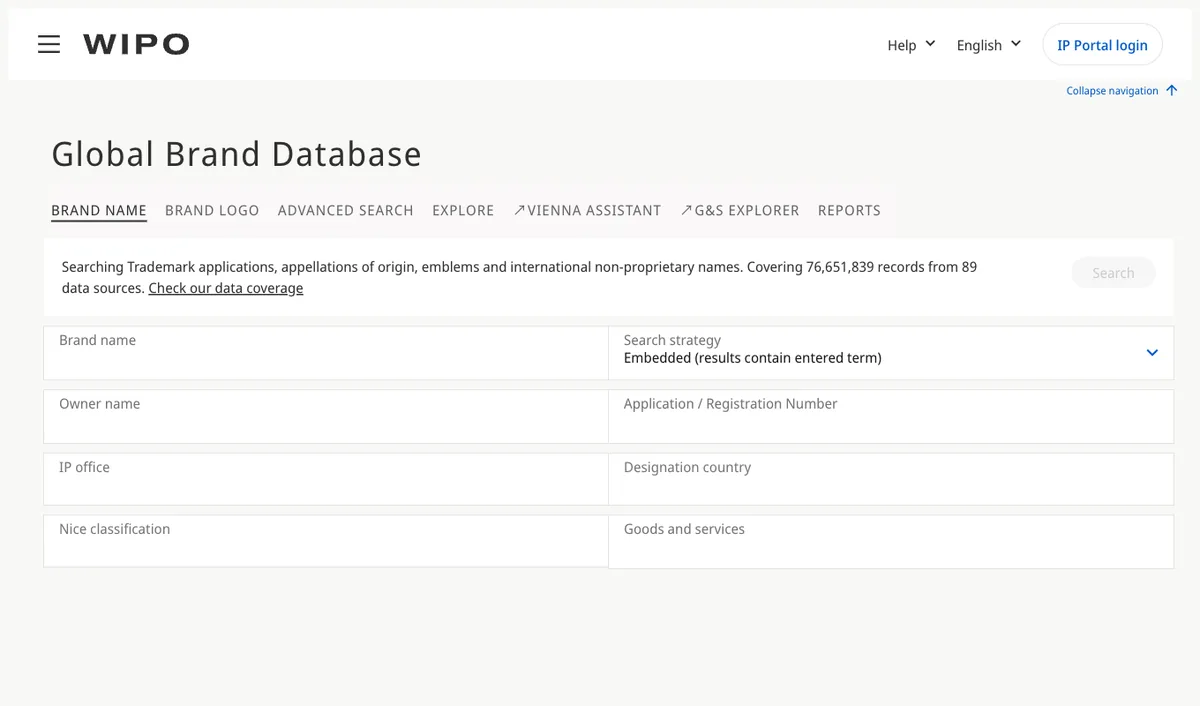
Search the name in your country’s trademark database before you buy the domain. In the US that’s the USPTO’s trademark search; the UK has the IPO register; the EU has EUIPO; and WIPO’s Global Brand Database covers many countries at once.
You’re not looking for an exact match only. You’re looking for anything in a related category that a reasonable person could confuse with yours. AltPilot wasn’t identical to the mark it conflicted with. It was close enough, in a related space, and that’s the standard.
Then search the name on the platforms your business will live on. For a plugin, that means the WordPress.org directory. For you it might be Etsy, the App Store, Amazon, or the Instagram handle.
A name that’s legally clear but already taken everywhere people would look for you is still a bad name.
If you find a conflict, change the name now, while it costs nothing. Changing it after the logo, the listing, and the launch is a different afternoon entirely.
The Rules That Still Hold
After the three tests, the old advice mostly does hold:
- Make it short. Under 15 characters is a decent target. Onylogy.com is 7 letters, and even that could arguably be shorter.
- Make it easy to spell. Real words, or a coined word that follows normal spelling rules.
- Make it brandable, not generic. “Onylogy” means nothing, which means it can mean whatever the site makes it mean. “WordPressTutorialsOnline” means one thing forever and can’t grow past it.
- Avoid trends and slang. The name will outlive the joke.
- Match the name to what you’ll become, not what you are today. If you might sell products in two years, don’t call it “[Name]Blog.”
Coined Word or Real Words?
This is the one real trade-off, so here it is honestly.
Onylogy is a made-up word. The upside of a coined word is total: the .com was available, no trademark conflict, no competitor owns the search results, and it can stretch to cover anything the business becomes.
The downside is real. A made-up word carries no meaning on first contact. “Onylogy Studio” tells a stranger nothing about WordPress, design, or maintenance, so every first impression has to do that work separately.
A descriptive name like “Simple WordPress Care” would have done that job for free, at the cost of being impossible to own and impossible to grow past.
So which should you pick? If you’re building a brand you’ll grow for years, coin a word and let the tagline explain it. If you’re a local business that needs to be understood in one glance, use real words plus your service or city.
Both work. Just know which trade you’re making.
Buy the .com or Pick a Different Name
Blunt version.
If the .com is taken, the name is taken.
Registering the .net, the .co, or the .io of a name whose .com belongs to someone else means a percentage of your visitors, your customers, and your email will go to them, forever, and you’ll have no way to know how many.
The .com vs .org post is about a different thing (the two WordPress platforms), but the same instinct applies: when people aren’t sure, they type .com.
The newer extensions (.app, .design, .studio, .shop) are legitimate and fine for a side project or a brand that’s confident enough to teach people. For a small business that wants to be found by people who half-remember the name, get the .com or change the name.
It’s a $15 a year decision that saves you a much bigger one.
How to Check a Domain Name Is Actually Available
Do all of this in one sitting, before you fall in love with the name.
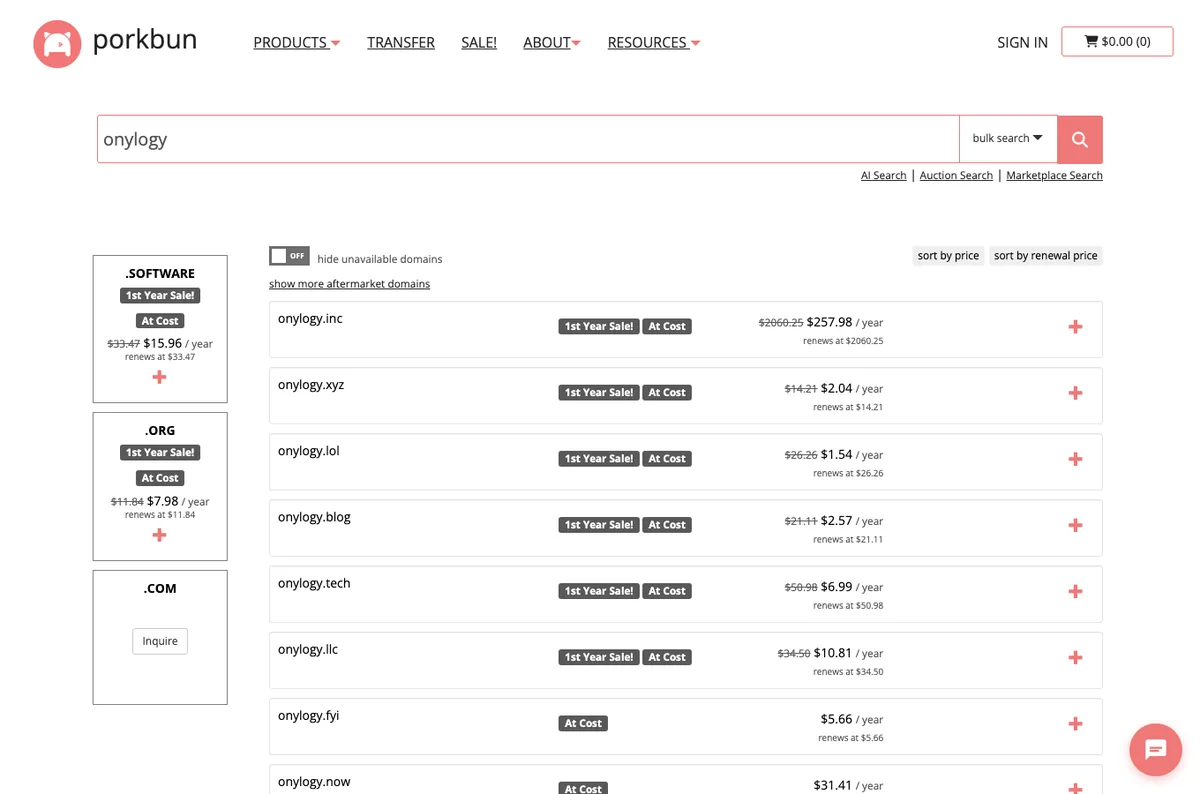
- Search the domain at any registrar. If the .com is taken, note who owns it (a WHOIS lookup shows whether it’s a business or a parked domain for sale) and go back to brainstorming unless you’re prepared to buy it.
- Search the name on Google. Page one should be empty of anyone doing what you do.
- Search the trademark database for your country, and WIPO’s Global Brand Database for wider coverage. Look for related categories, not just exact matches.
- Check the social handles on the two or three platforms you’ll actually use. Perfect consistency isn’t required; an obviously taken handle on your main platform is a warning.
- Check the platforms your business will list on (app stores, marketplaces, WordPress.org if you’re building plugins). Crowded names get pushed back on.
- Say it to three people and ask them to type it. The radio test, for real.
- Buy it the same day, at a registrar with free privacy and a sane renewal price. The domain registration roundup compares six on exactly that.
One more thing you’ll only learn by hitting it: ICANN puts a 60-day lock on transferring a newly registered domain to another registrar. So buy it where you want it to live, not where the first-year price was lowest.
That’s the whole checklist. Ten minutes, once.
What If the .com Is Taken but Not in Use?
Sometimes the .com is parked: registered years ago, no site, a “this domain may be for sale” page.
You have three options, and only one of them is usually worth it.
You can make an offer through the registrar’s broker service or the contact on the parking page. Prices for an unused, unremarkable name are often in the low hundreds of dollars, sometimes less. If the name is genuinely right for a business you intend to run for a decade, that’s cheap.
You can wait for it to expire, which almost never works, because parked domains get renewed automatically.
Or you can adjust the name (add “studio”, “hq”, “get”, or the city) and check the tests again from the top.
Never build on the .net while “waiting” for the .com. You’ll be waiting for years and sending traffic to a parking page the whole time.
Which Kind of Name Should You Pick?
- Small local business: your name or the business name plus the service, if the .com is free. Otherwise the business name plus the city.
- Personal brand, freelancer, portfolio: your own name, if you can get it. It’s the one name nobody will ever trademark against you.
- Blog or content site: a coined or two-word brandable name that can outgrow the first topic.
- Product or software: a coined word, tested hardest against trademarks. That’s the lesson from the two renames above.
- Anything you’re not sure will last: whatever’s available. Don’t overthink a weekend project.
Once the name is settled, the next decisions are where to host it and then installing WordPress. Both are easier than this one.
Final Thoughts
Say it, search it, defend it.
If it passes all three and the .com is free, buy it today, before someone else runs the same tests.
You don’t need a perfect name. You need one that passes, that you can own, and that you won’t have to change. That’s it.
Over to you: what name did you almost pick, and which test killed it? Let me know in the comments.
Frequently Asked Questions
Does my domain name need to include keywords for SEO?
No. Google reduced the ranking value of keyword-matched domains in its 2012 Exact Match Domain update. Content and links rank you now. Pick the name for the brand.
Is .com really that important?
For a business that wants to be found by people who half-remember the name, yes. When people aren’t sure, they type .com. Other extensions are fine for side projects or brands confident enough to teach people the extension.
How long should a domain name be?
As short as you can get while passing the radio test. Under 15 characters is a reasonable target; one coined word or two real words is the sweet spot.
Should I use my own name as the domain?
For a personal brand, freelancer, or portfolio, yes. It’s the one name nobody can trademark against you and it grows with whatever you do next.
What if someone already has the trademark but not the domain?
Don’t use the name. A trademark holder in a related category can force you to give up the domain, and you’ll have built a brand you have to abandon.
Can I change my domain name later?
Technically yes, with redirects. In practice it costs you links, rankings, and every place the old name is printed or remembered. Treat the domain as permanent when choosing it.
How much does a domain name cost?
A .com runs about $10 to $22 a year depending on the registrar, with the first year often discounted. Compare renewal prices, not promotions, and expect privacy protection to be included free.
You May Also Like
-

Top 6 Domain Registration Websites
Ready to buy your domain name? Here’s the first thing…